 SCROLL TO EXPLORE ↓
02 / ARCHITECTURE
Island of Rebirth
Houtouwan Village Rebuild
- PROJECT TIME
- PARTICIPANTS
- CHENG WANG
- ADVISOR
- TEO HIDALGO NÁCHER
SITE / CONTEXT
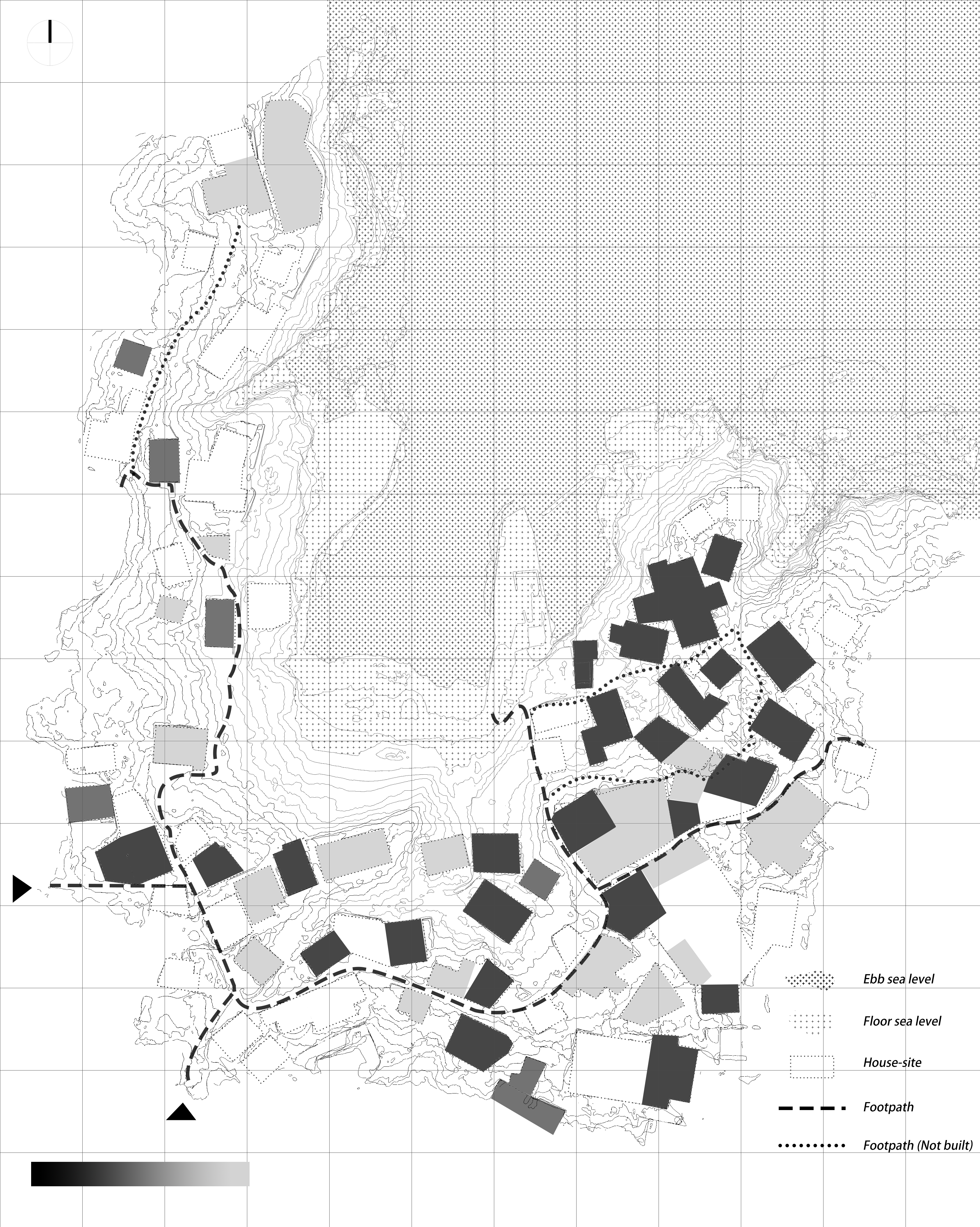
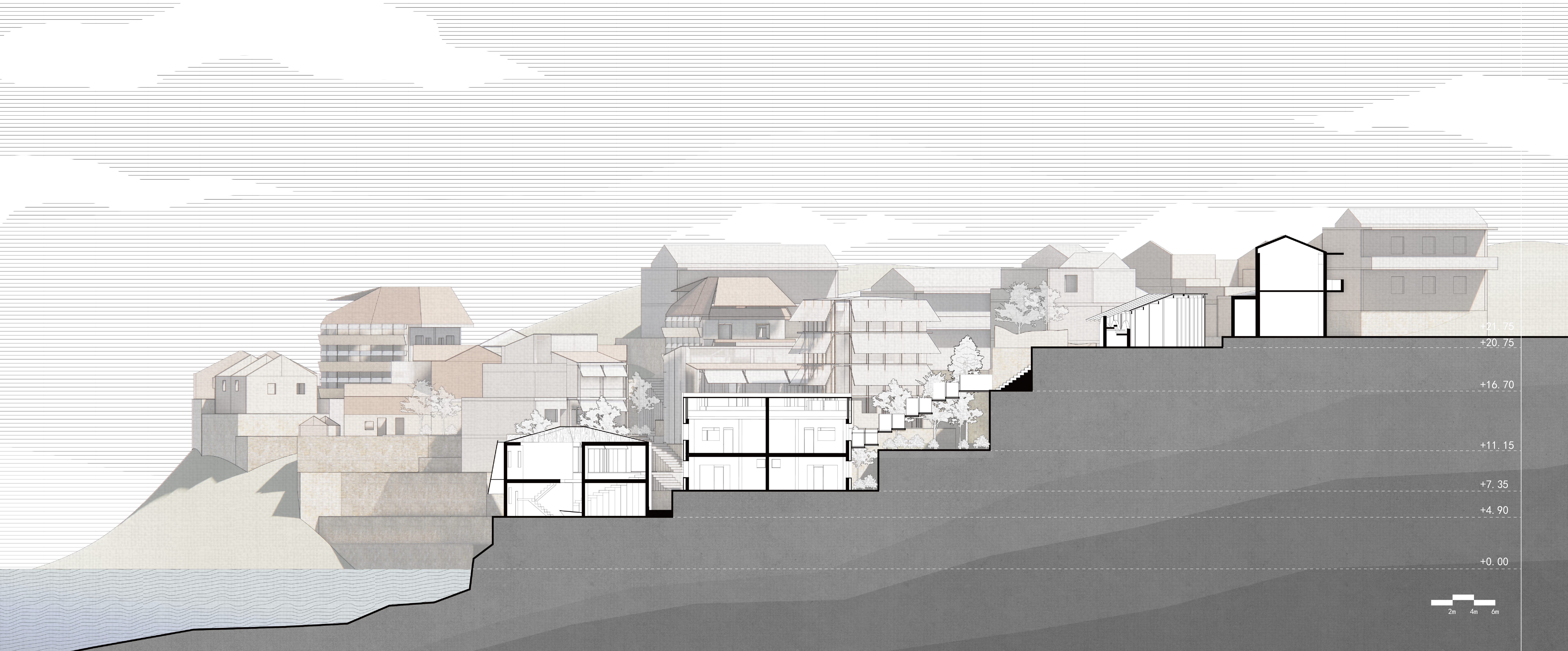
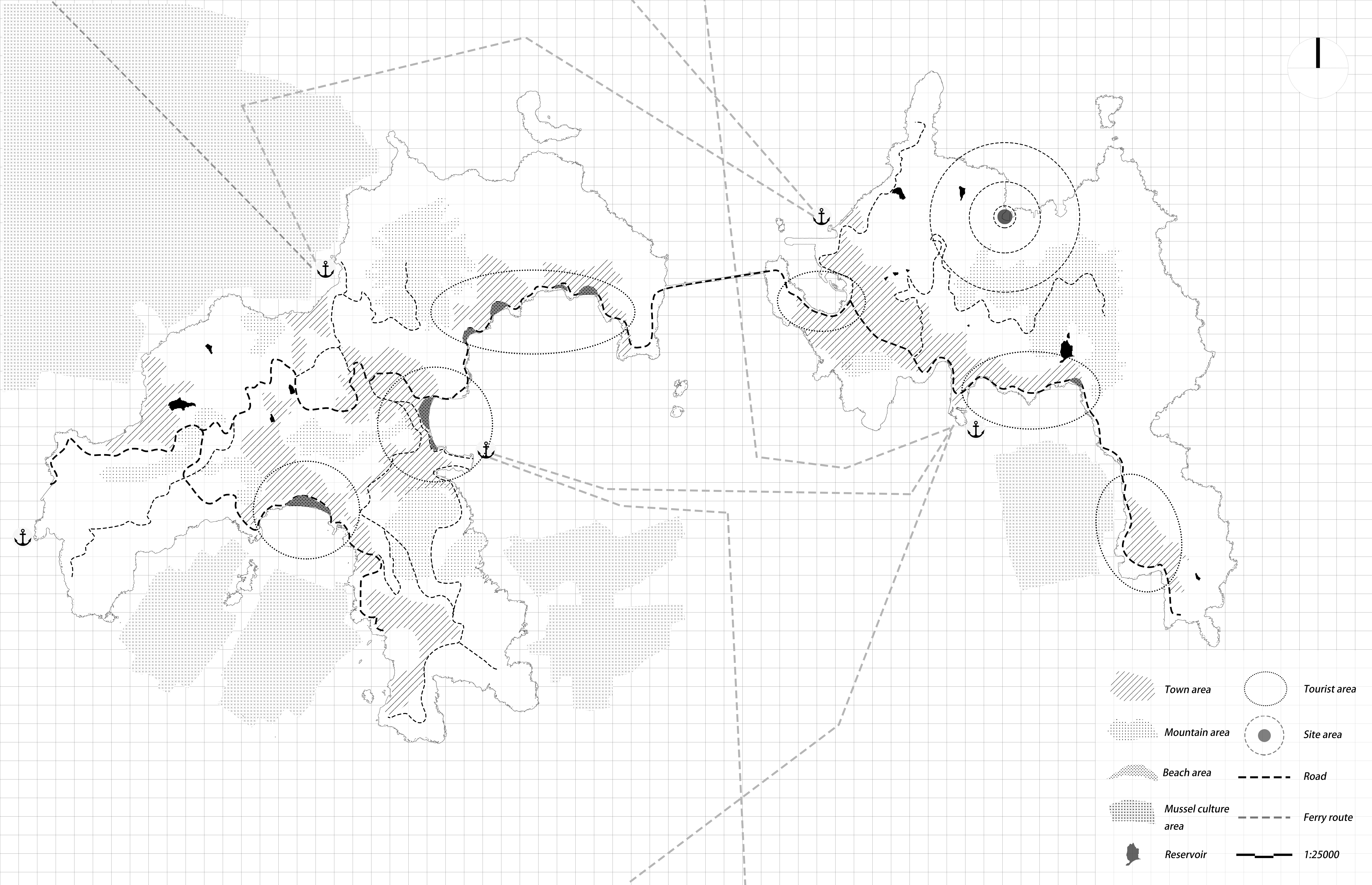
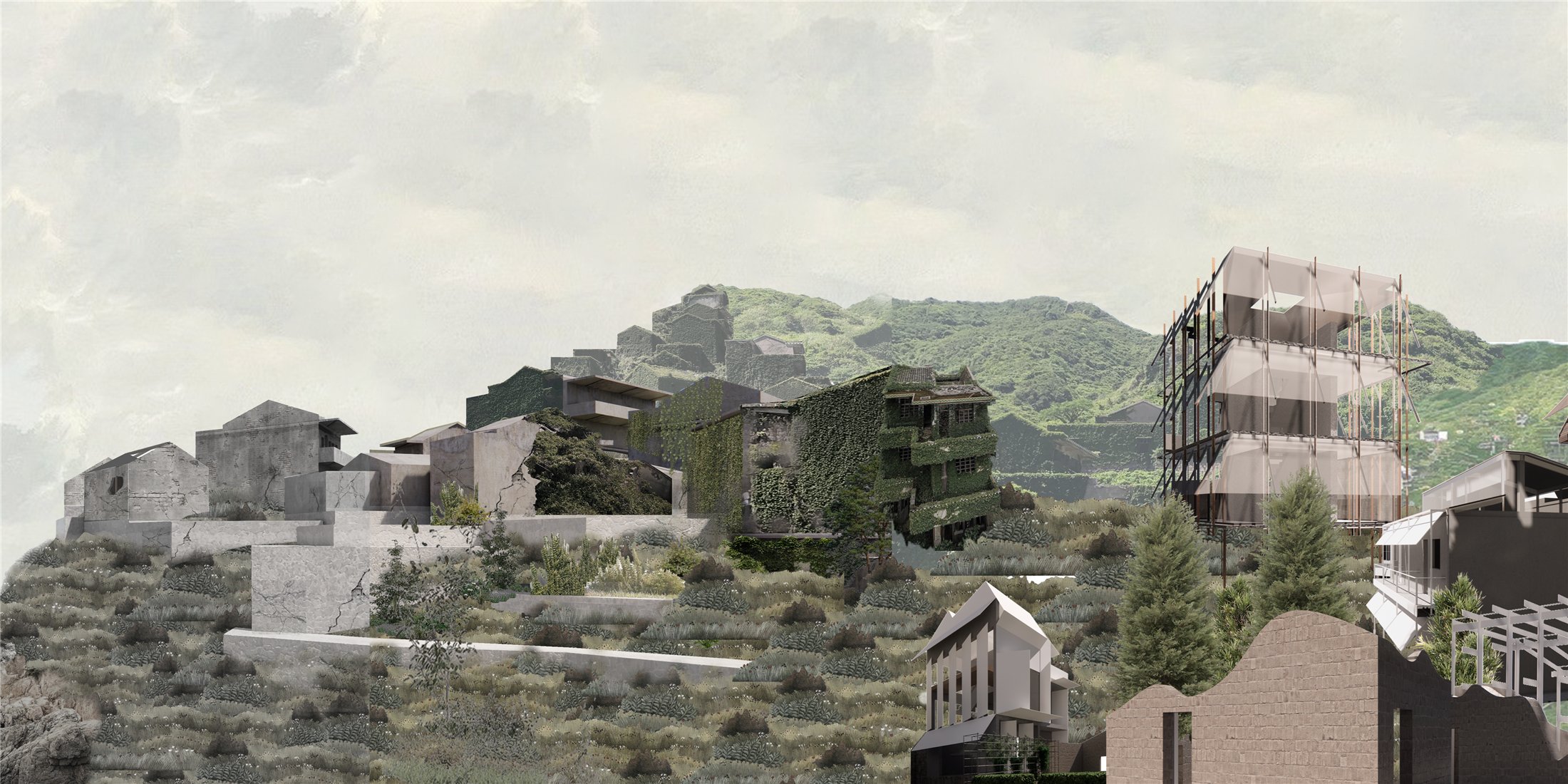
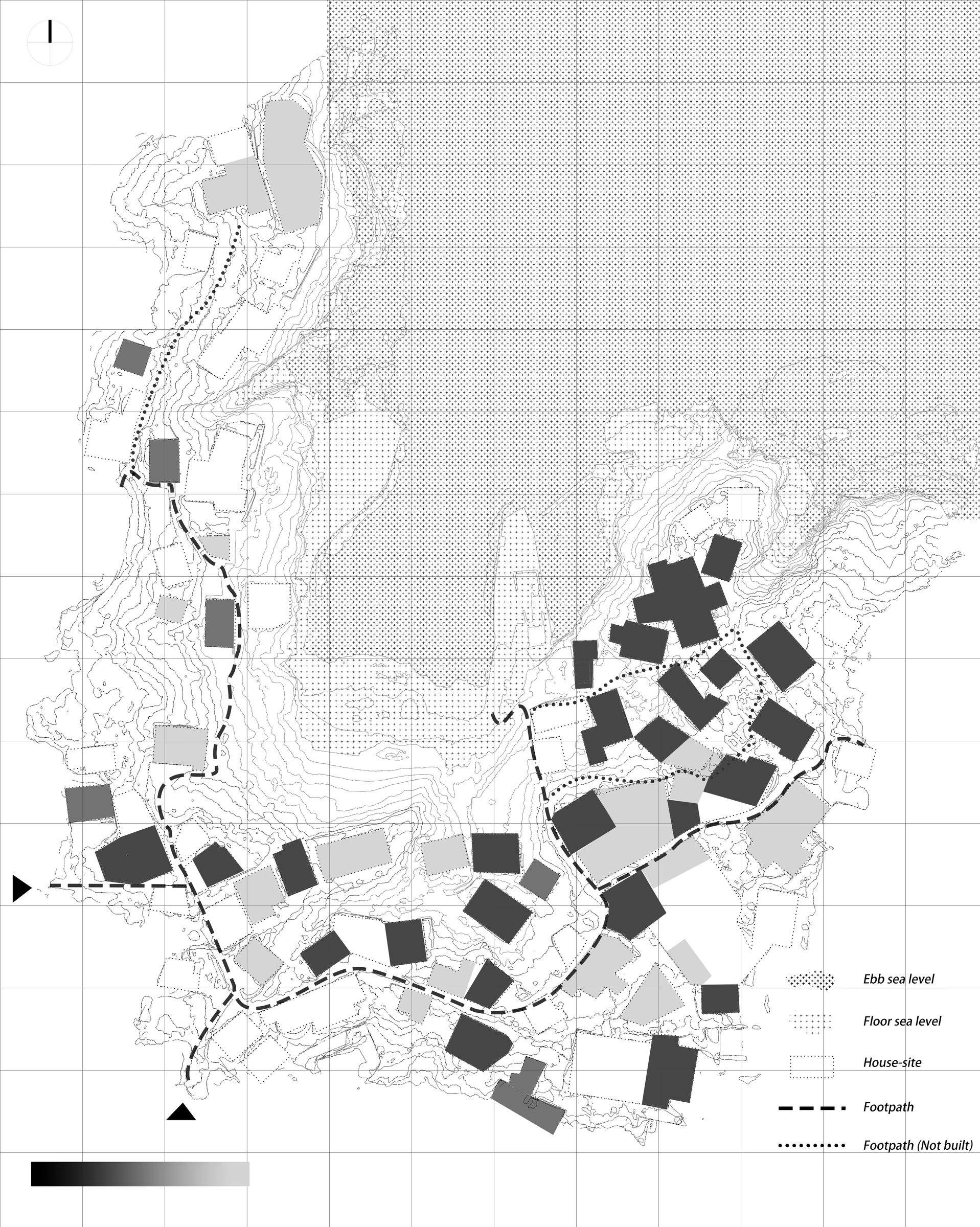
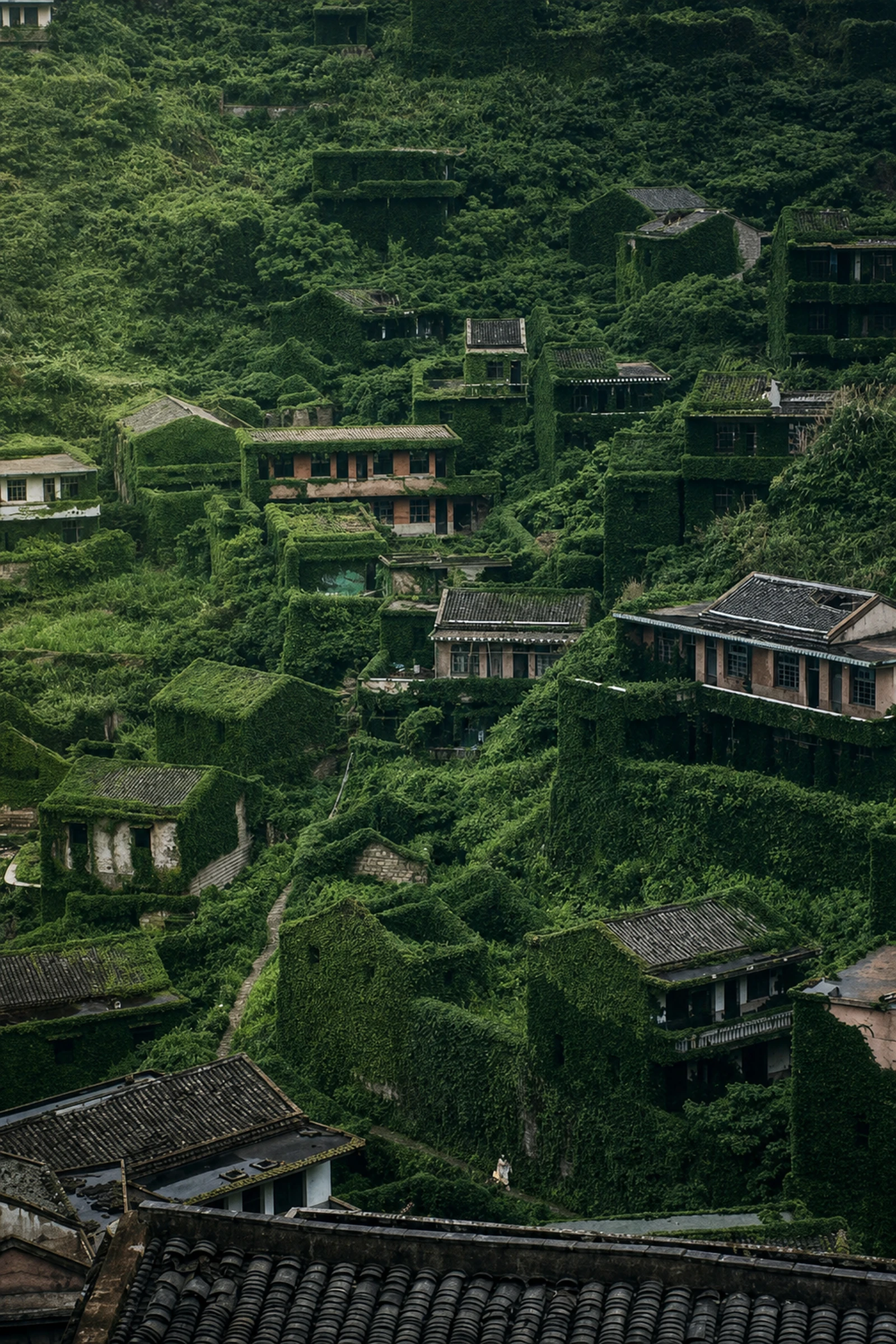
Houtouwan is an abandoned fishing village on the northern coast of Shengshan Island. Surrounded by mountains and exposed to the sea, it is defined by steep terrain, limited access, strong winter winds, and uneven sunlight. Its vine-covered ruins remain in varying states of decay.
PROJECT OVERVIEW
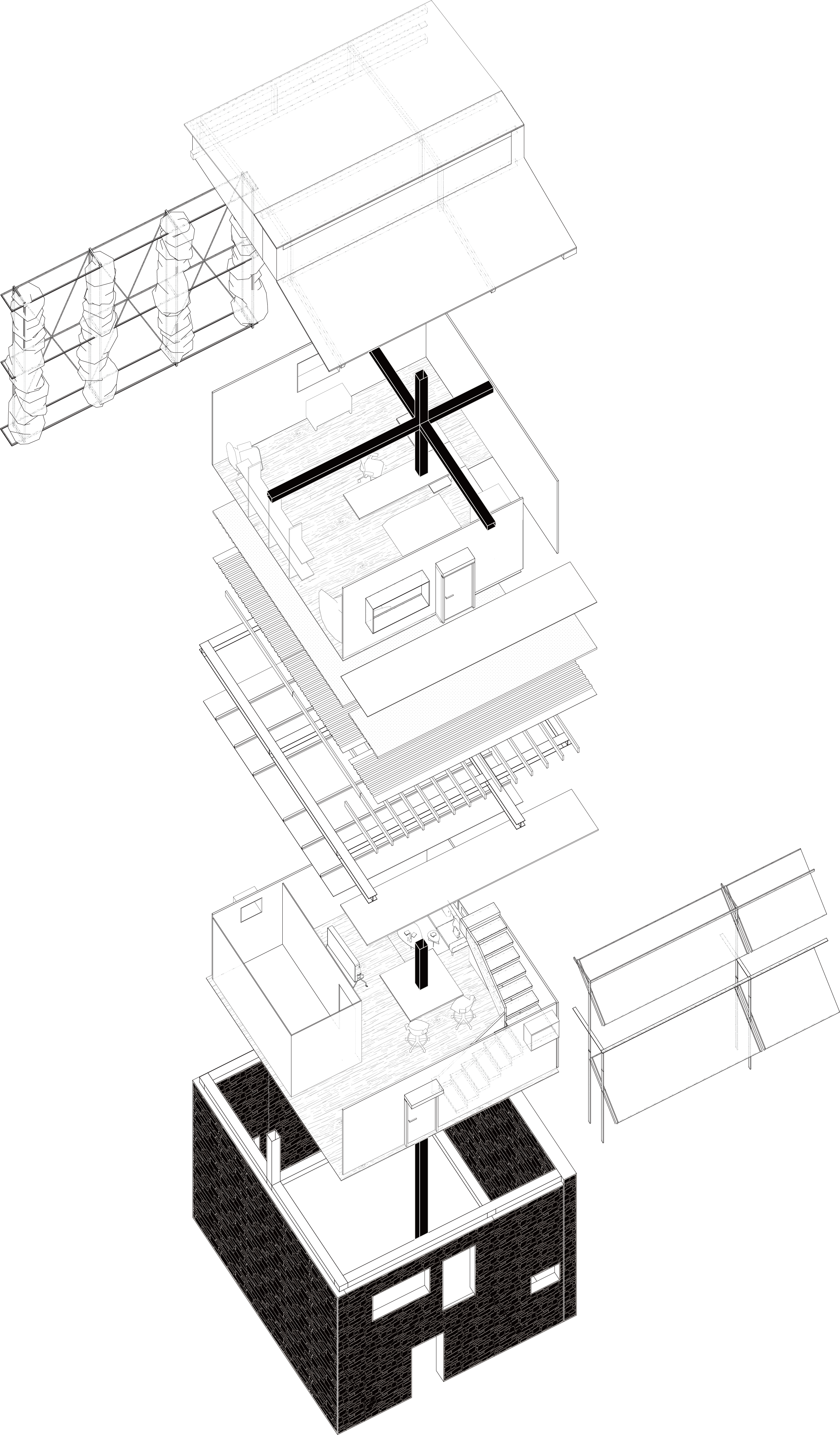
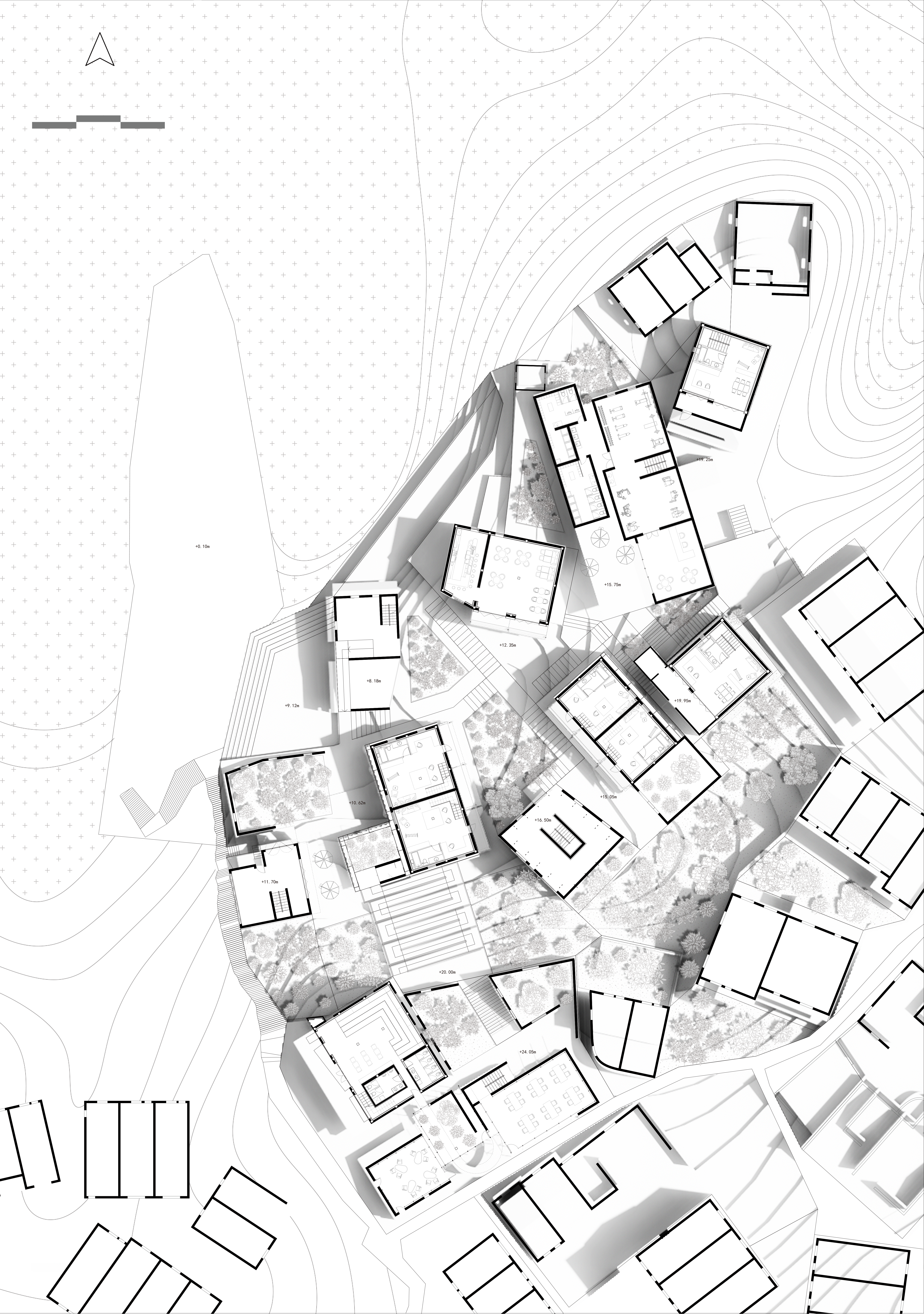
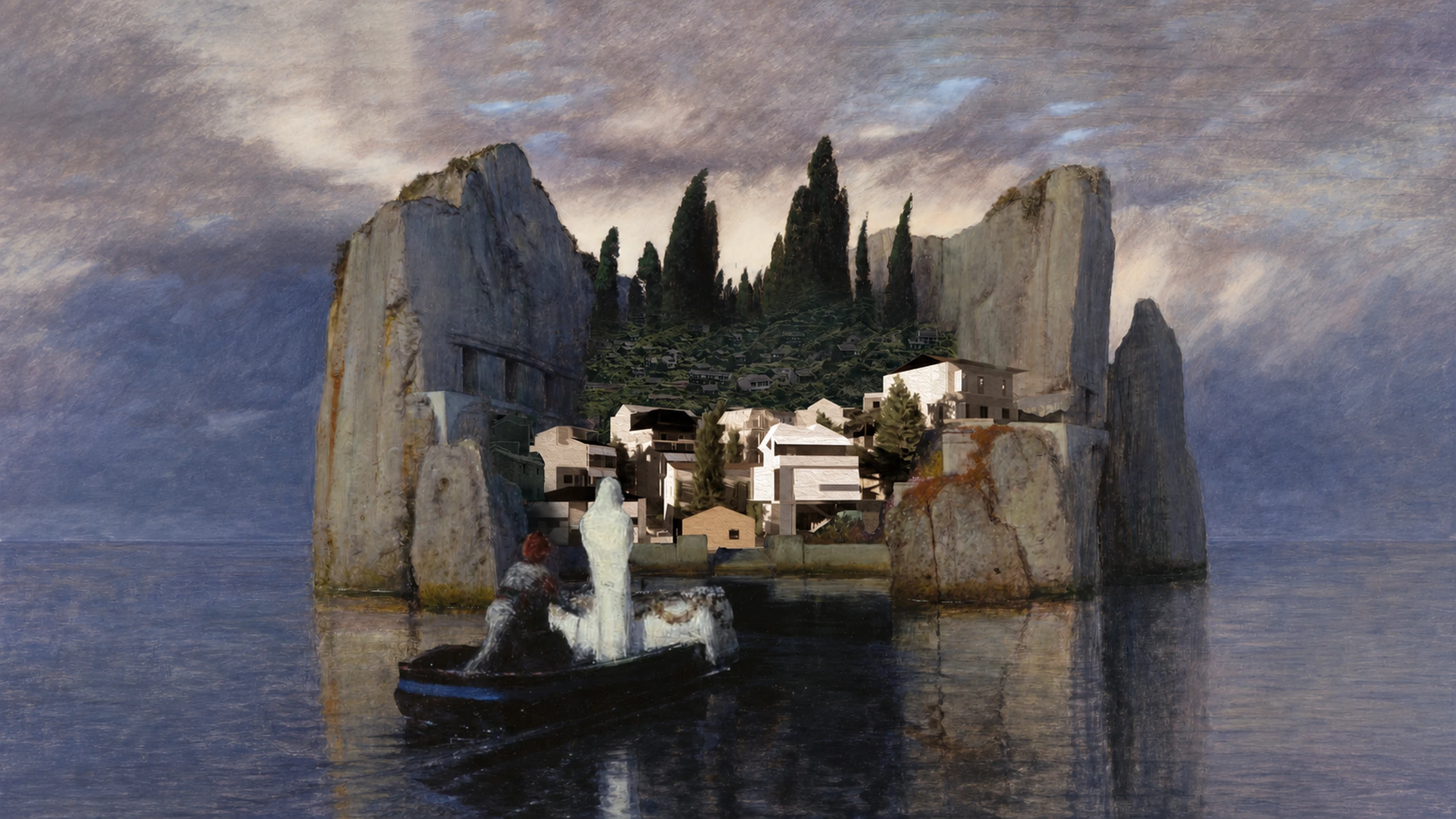
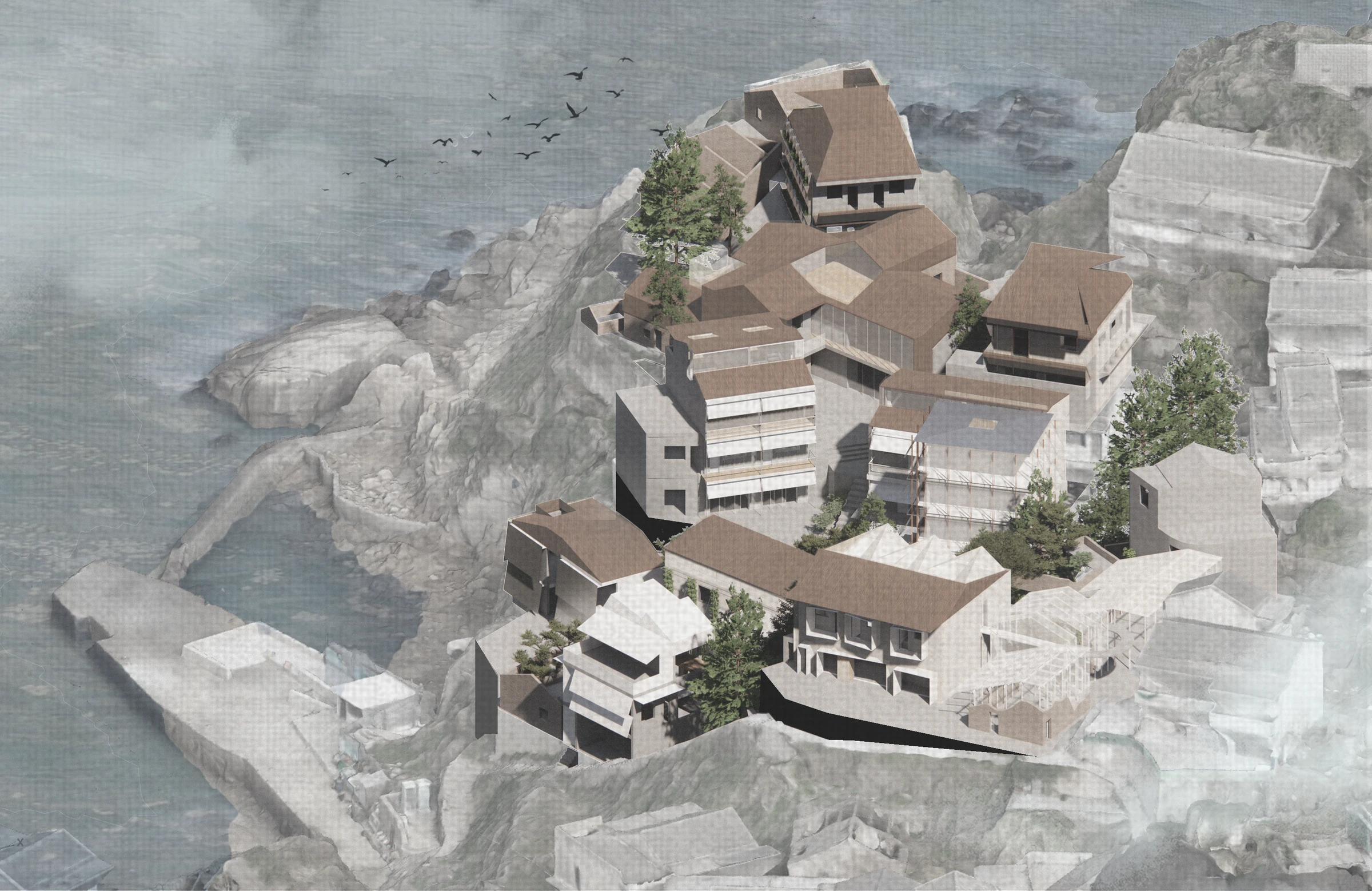
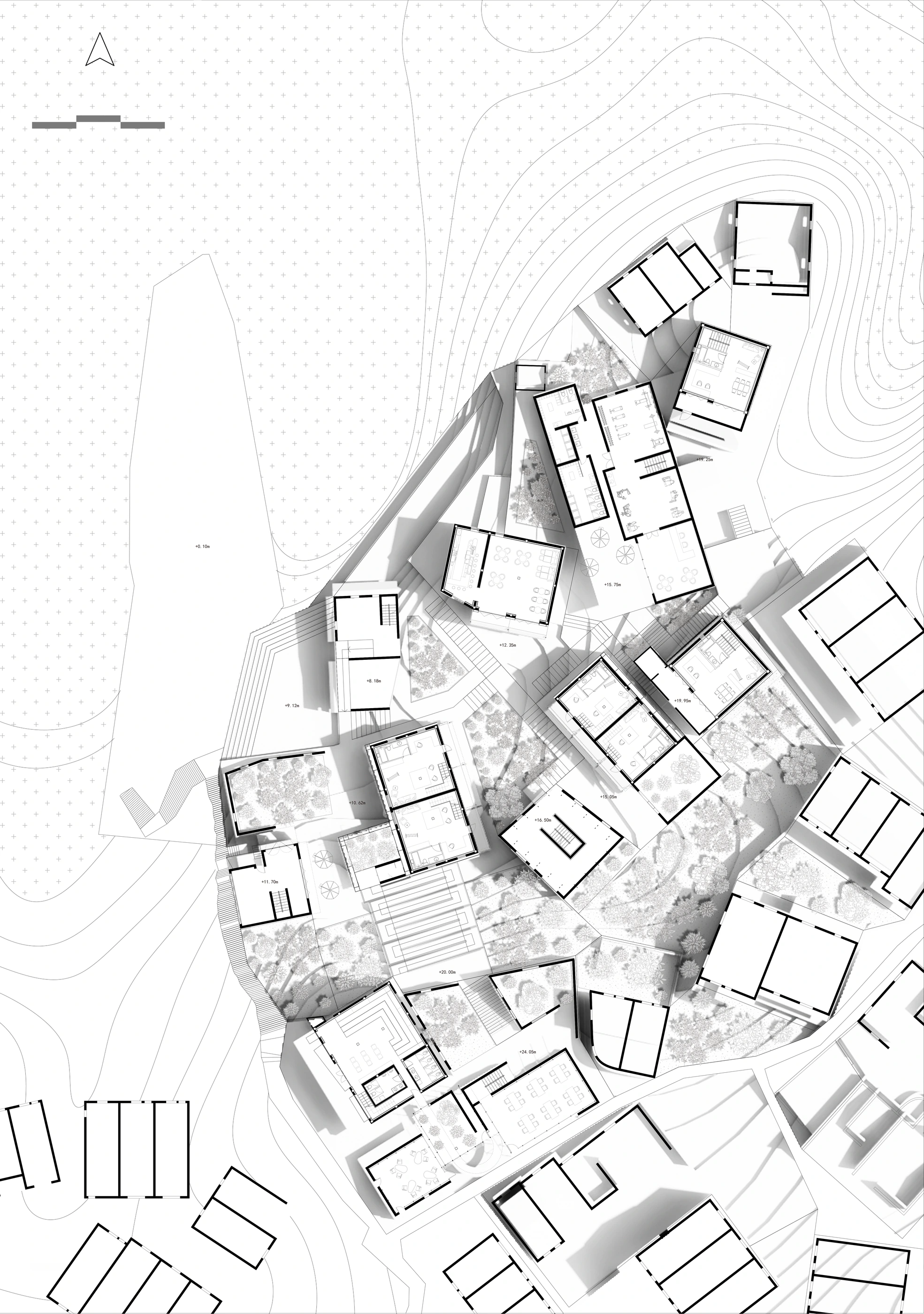
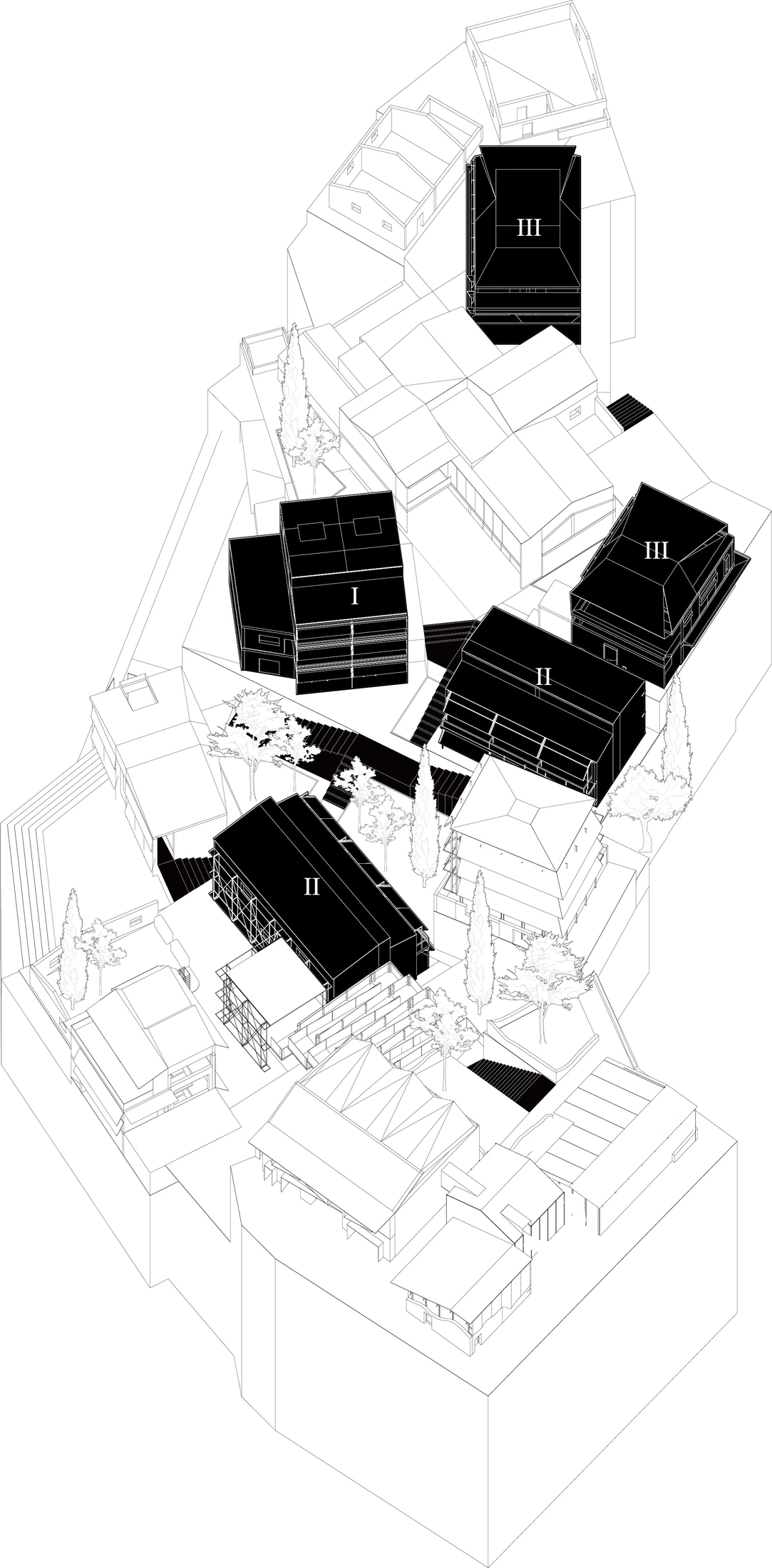
Island of Rebirth transforms the abandoned village into a restorative retreat from the pressures of urban life. Existing ruins are selectively reinforced, reconstructed, or converted into gardens and public spaces, allowing new residential and communal programs to grow within the original village fabric.
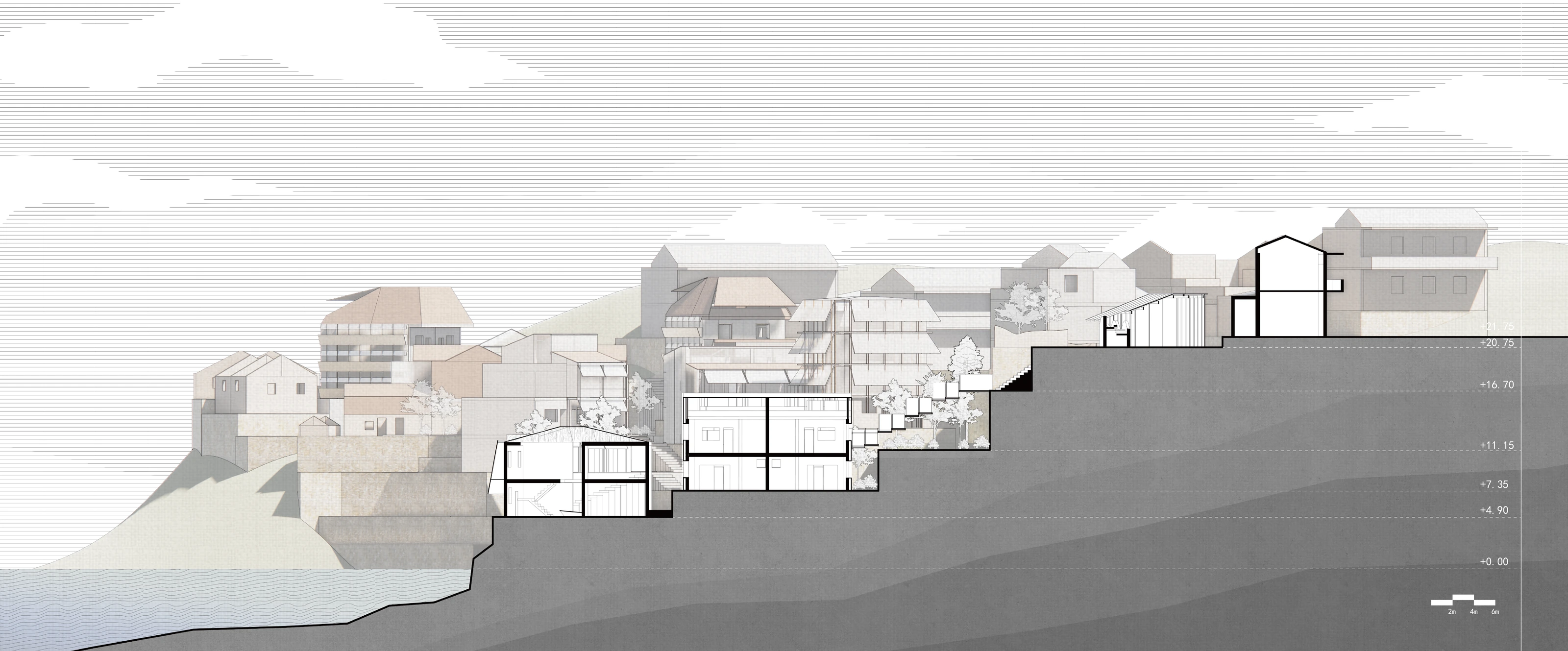
SECTIONAL STRATEGY
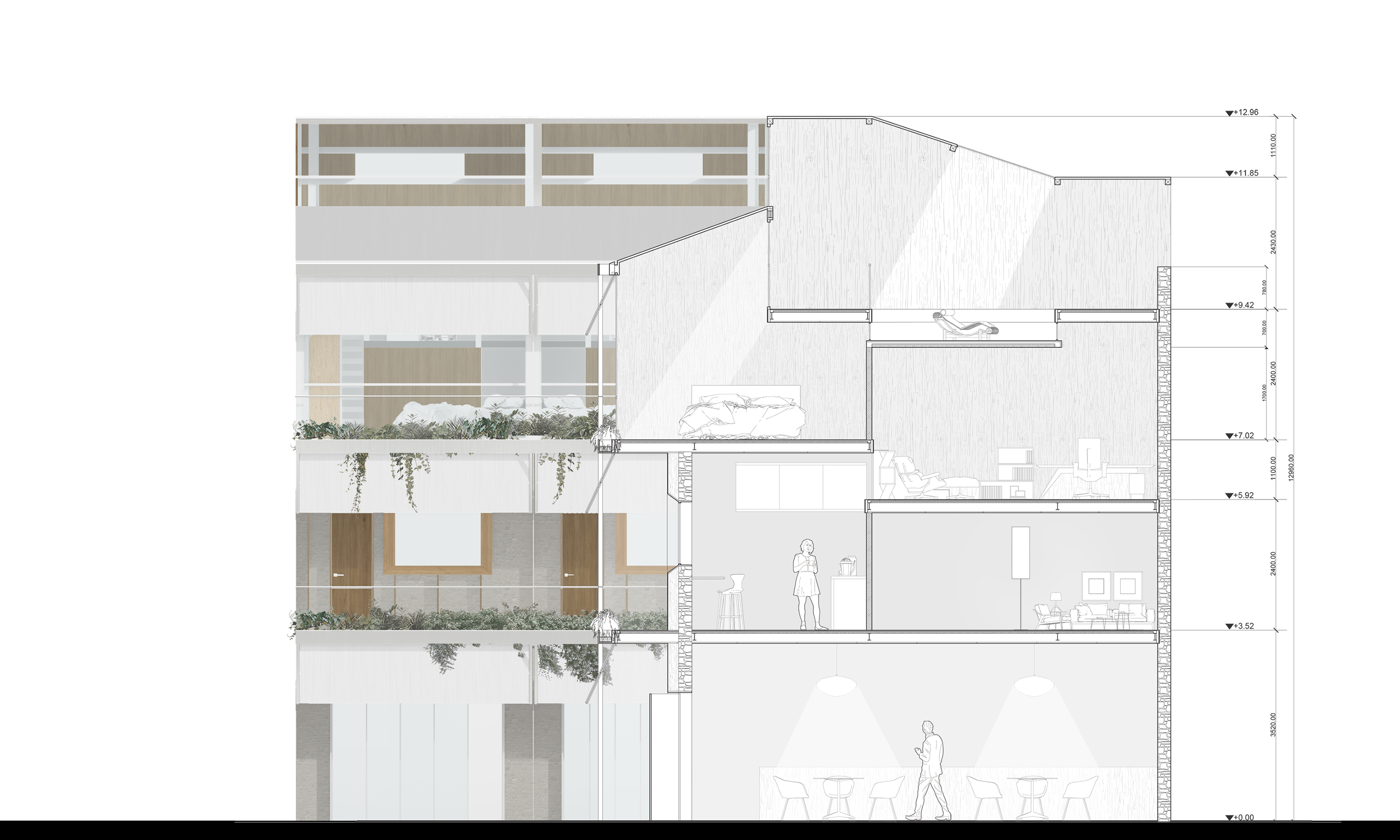
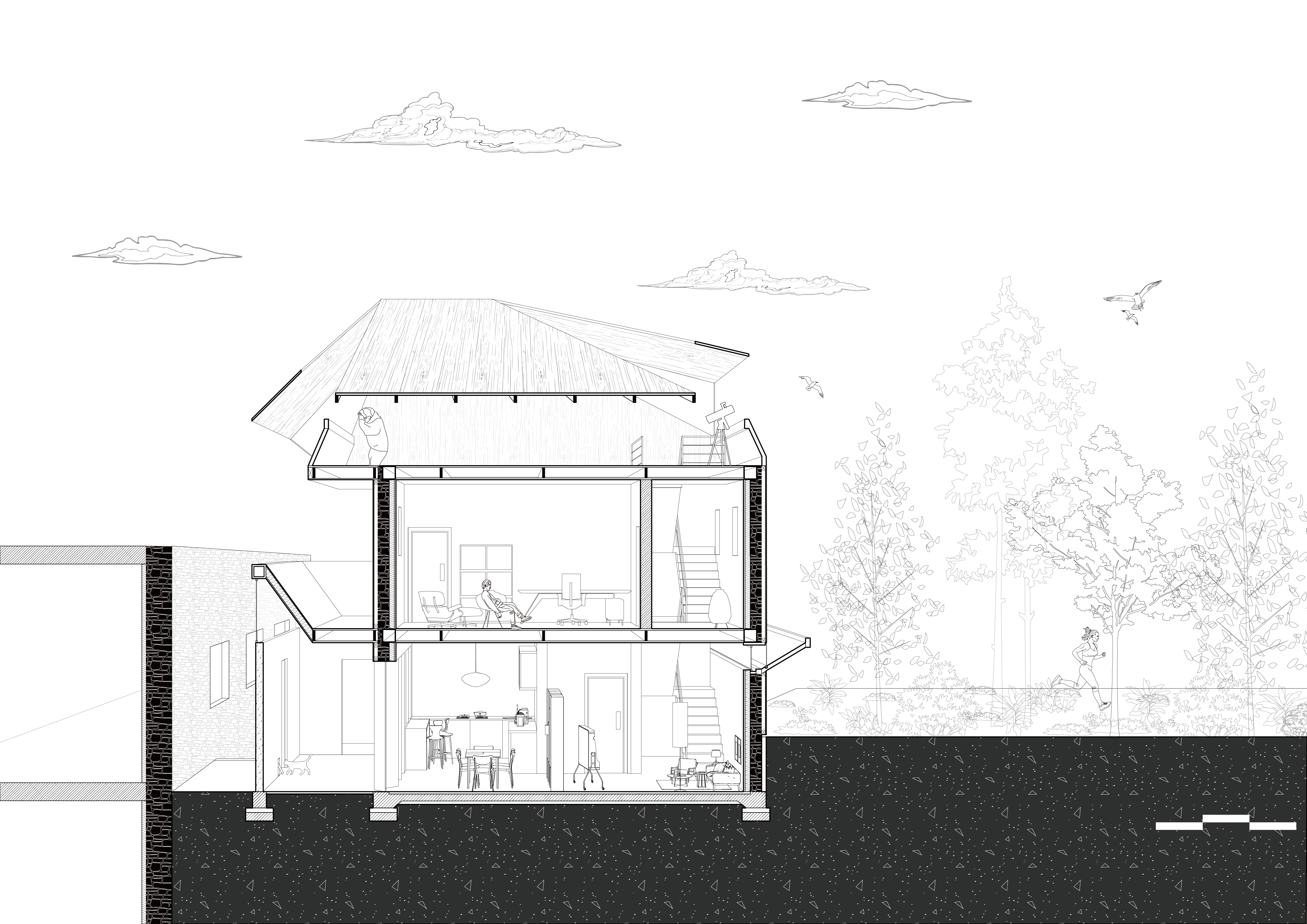
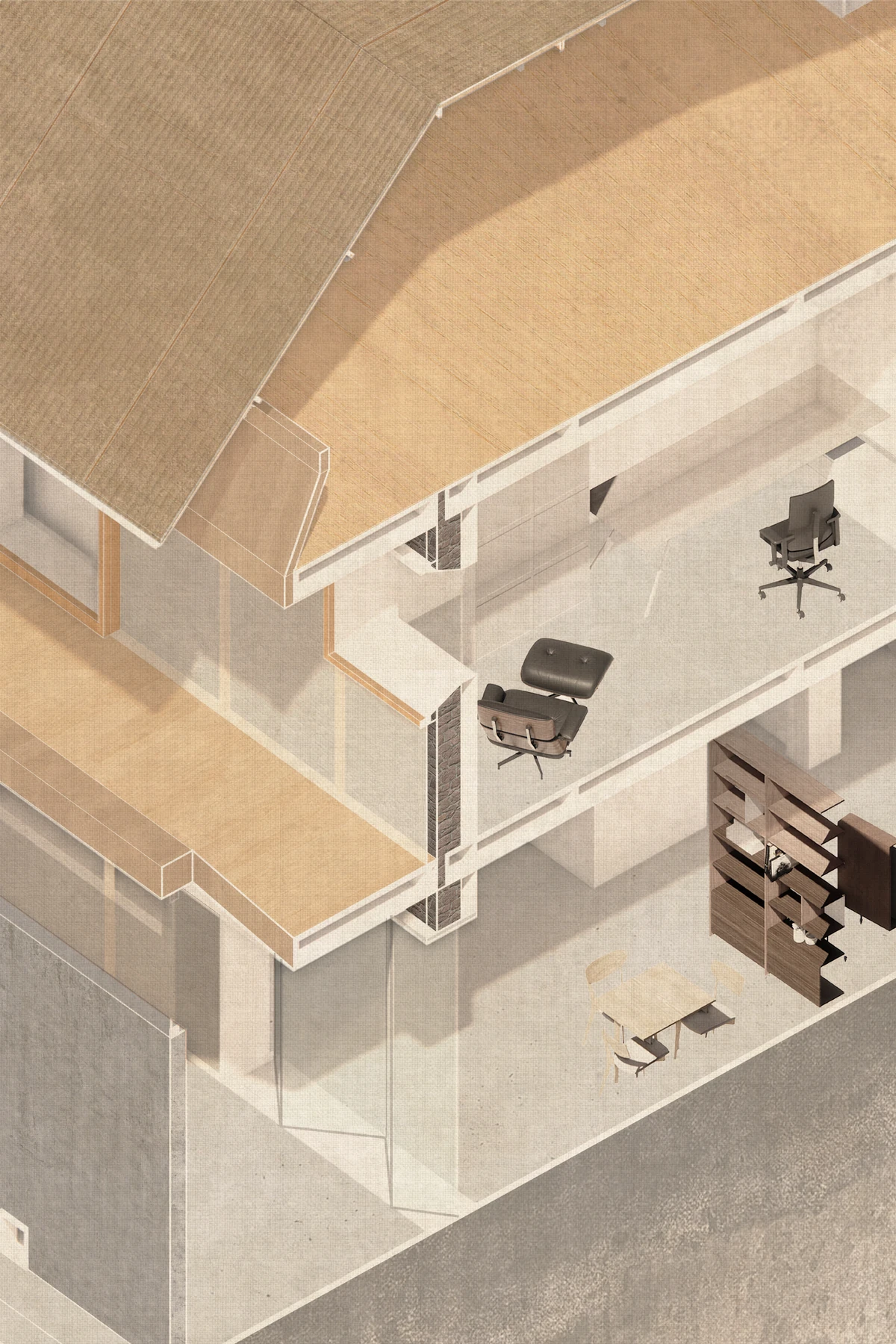
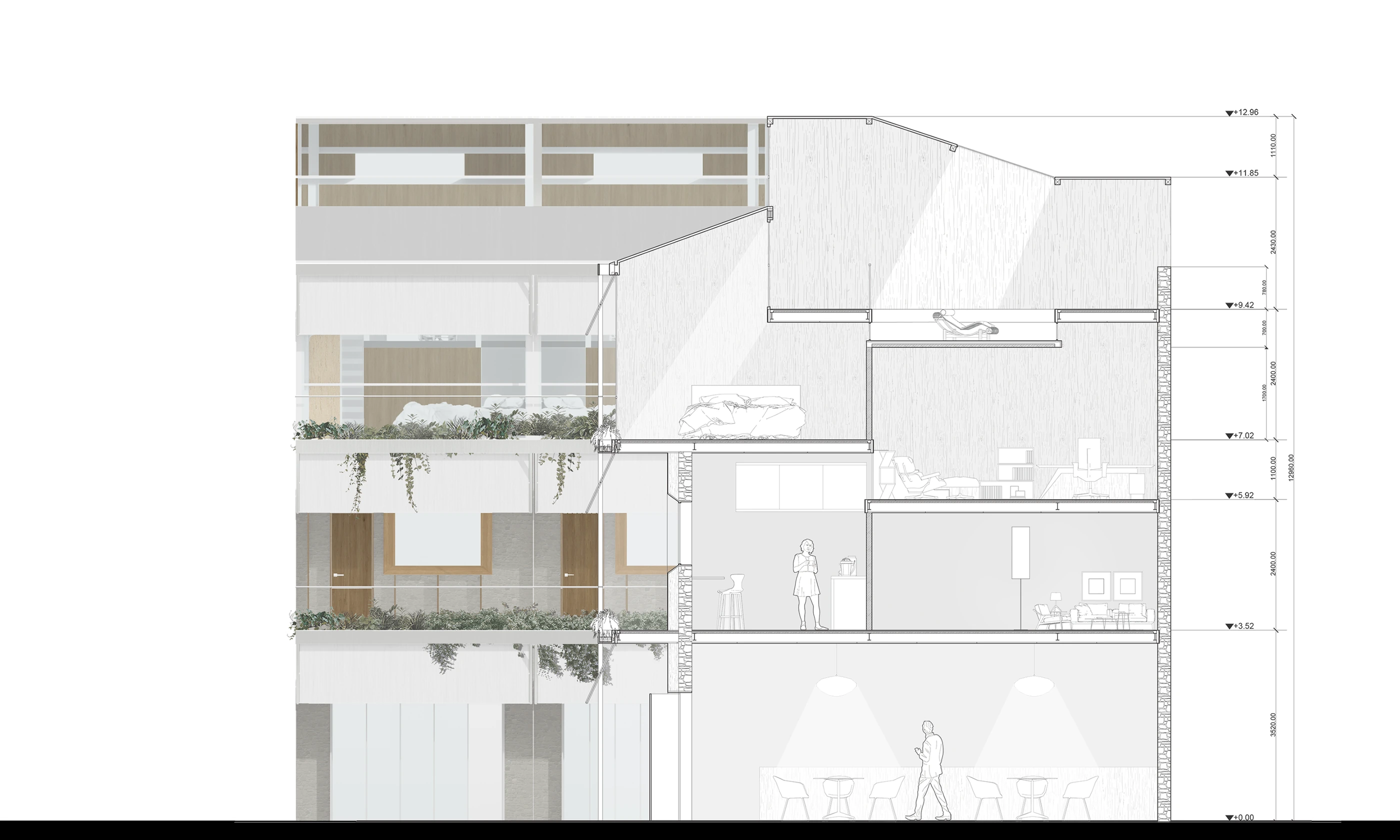
The steep terrain organizes the project as a vertical gradient of privacy and social contact. Protected spaces occupy the lower levels, partially enclosed residences sit within the middle terrain, and brighter communal spaces are placed above. Vertical circulation cores connect these different spatial conditions.
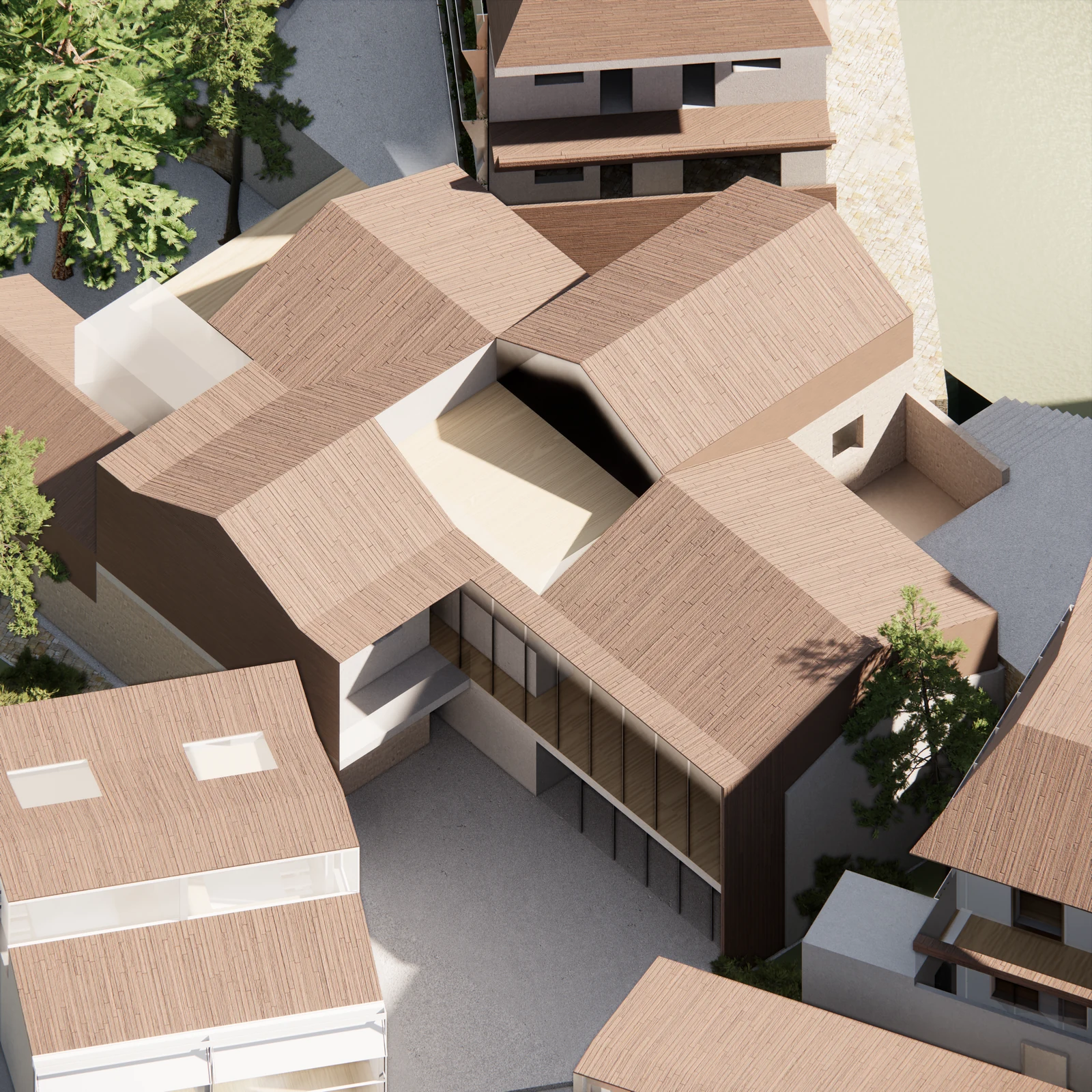
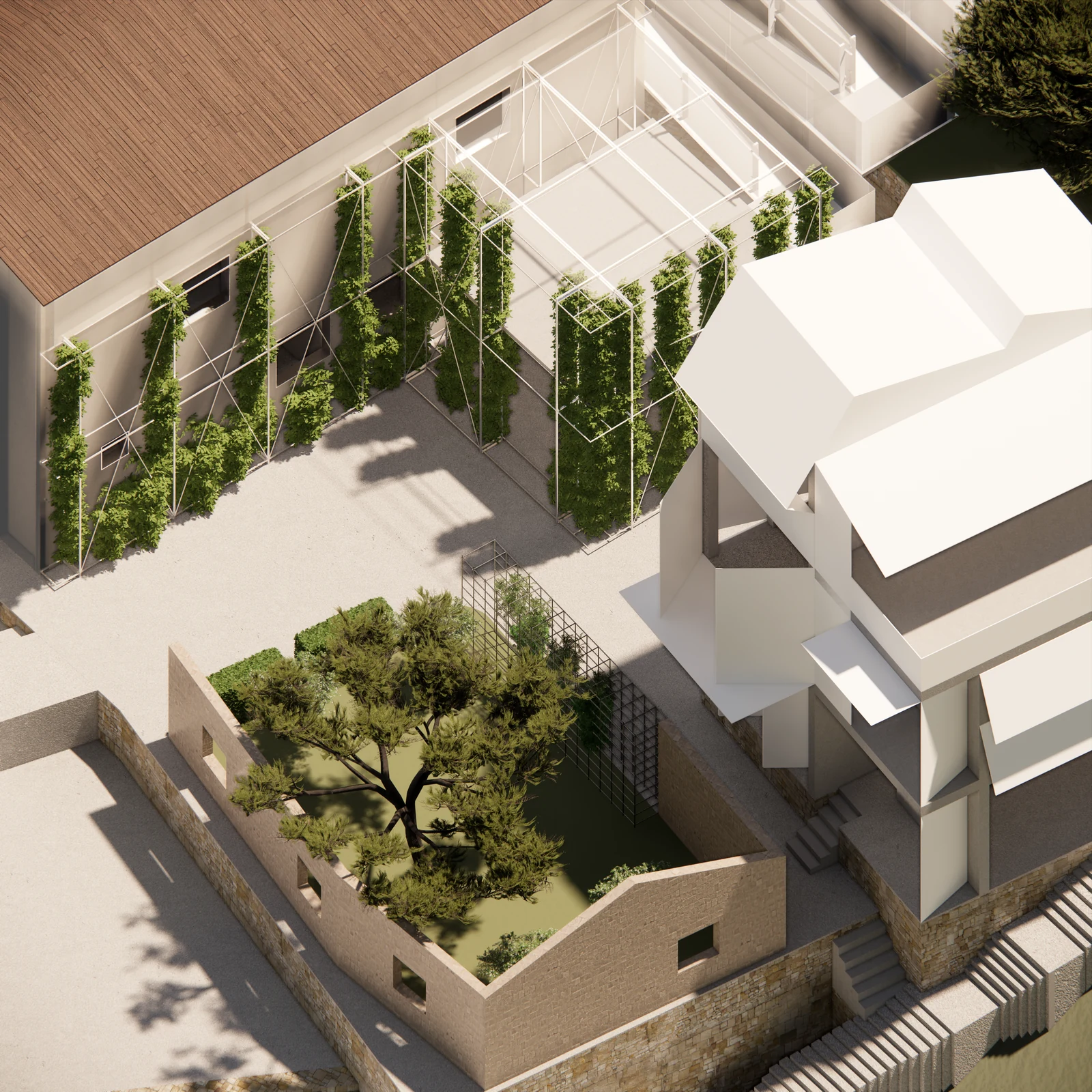
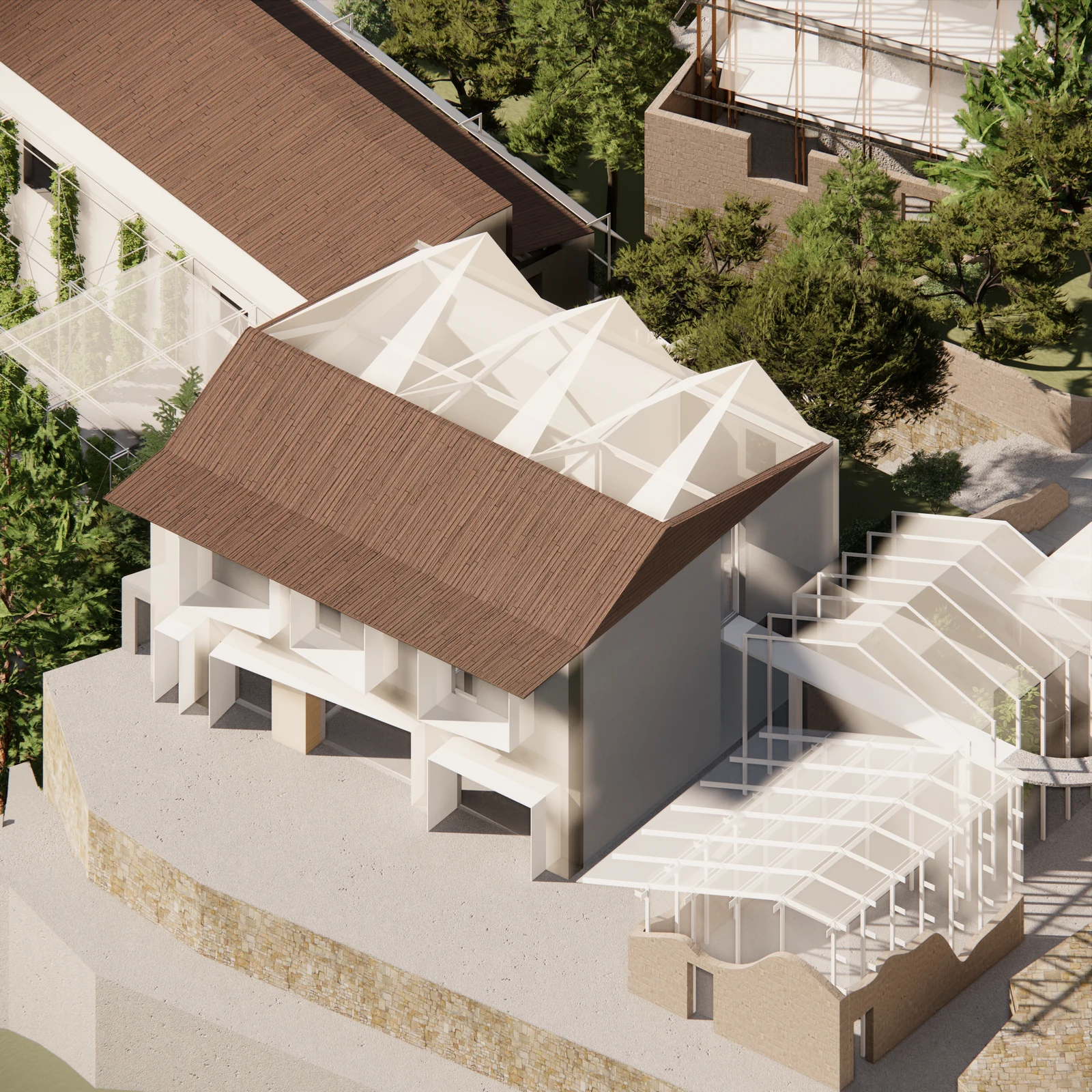
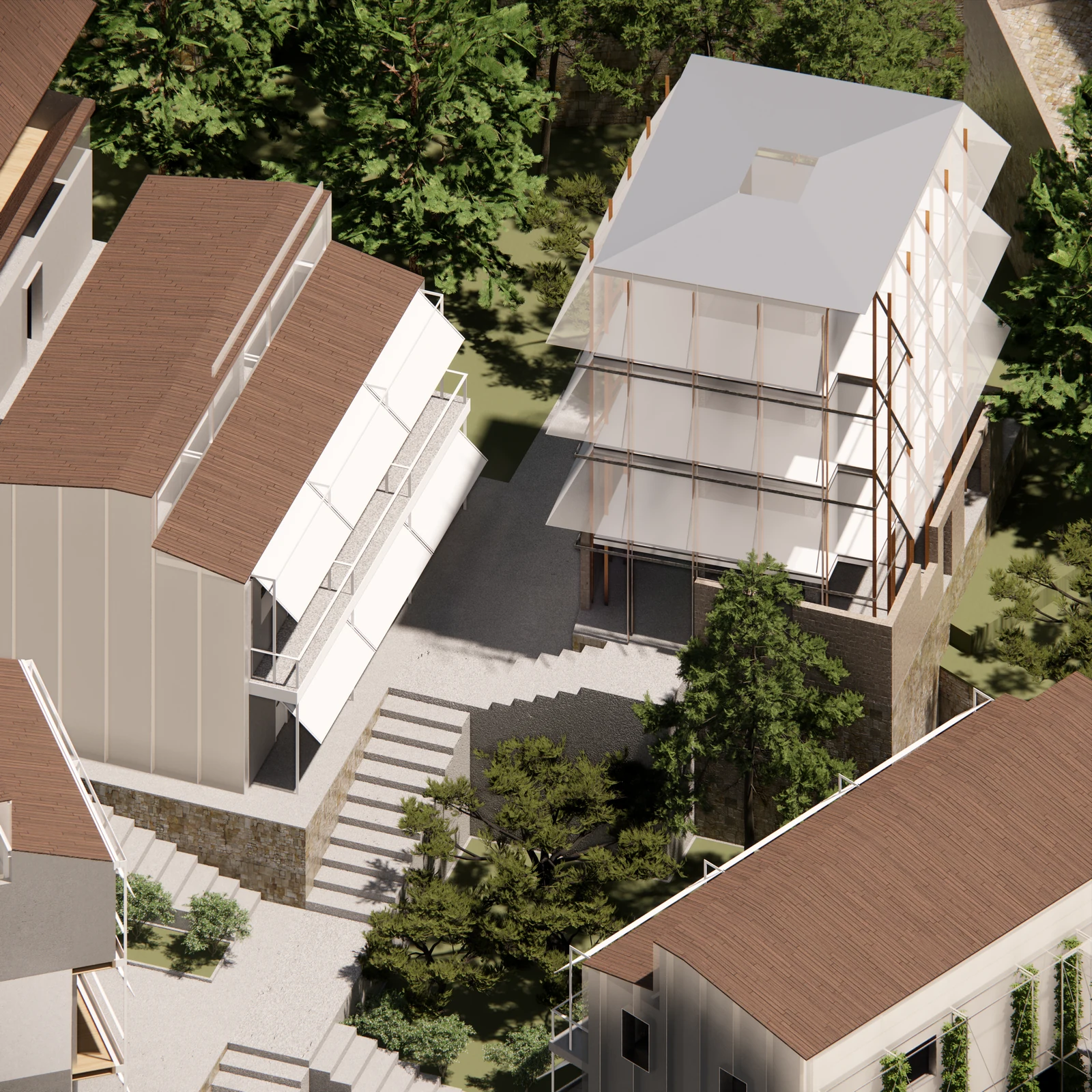
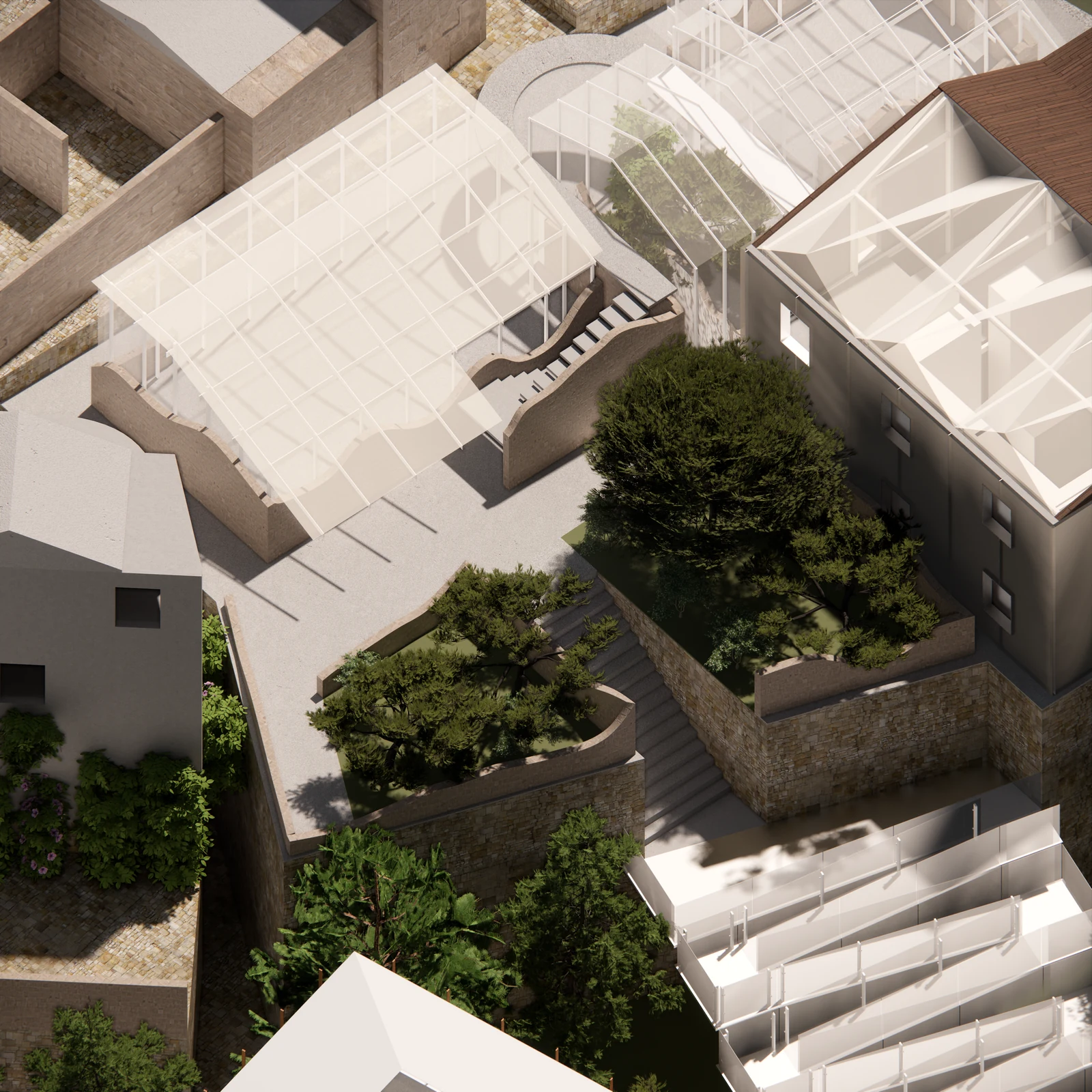
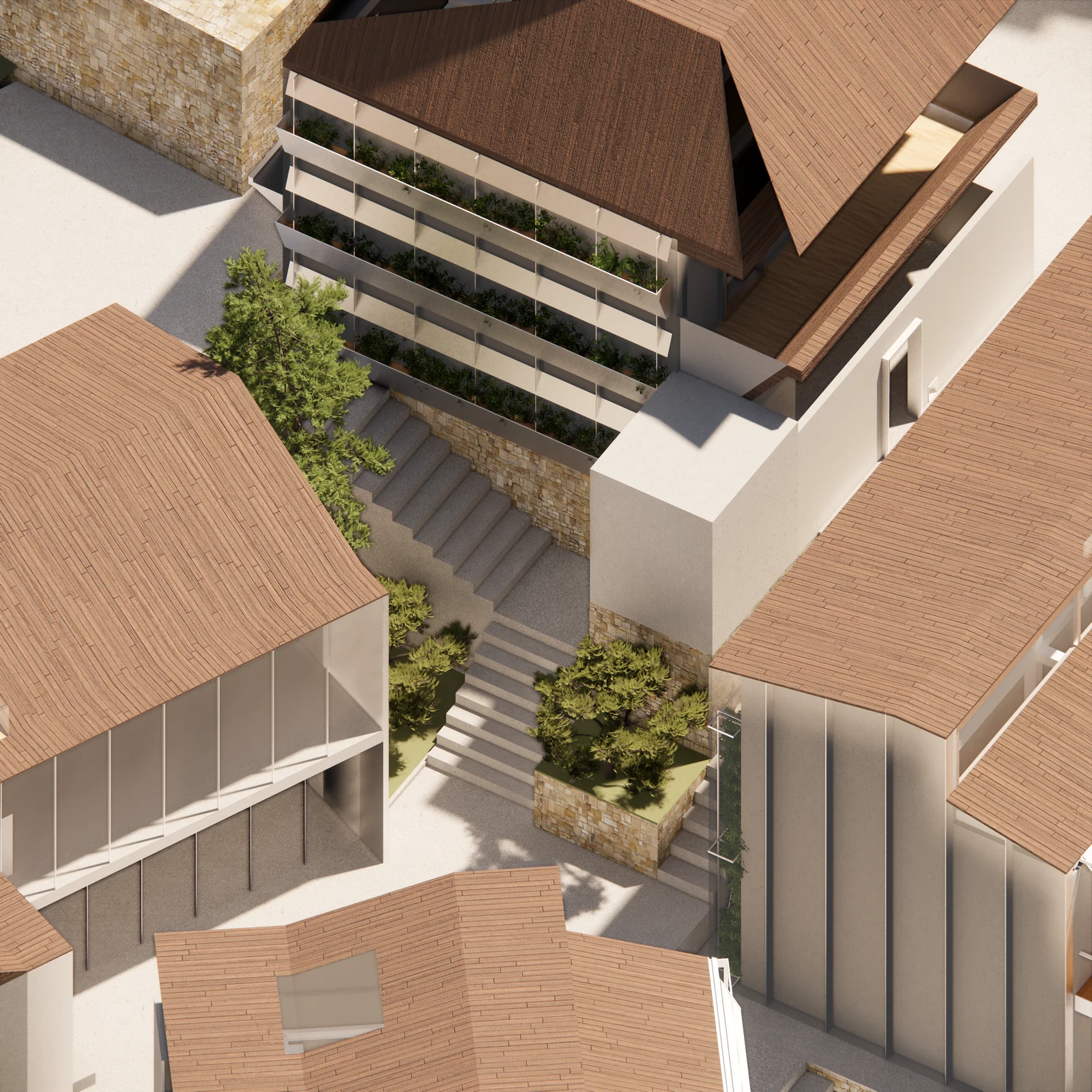
Public programs are distributed along the village's original paths. Dining spaces, libraries, meditation rooms, gardens, outdoor stages, and coastal platforms form a network of shared spaces. These small interventions gradually reactivate the ruins without replacing the existing settlement.
PUBLIC PROGRAM
PSYCHOLOGICAL TYPOLOGIES
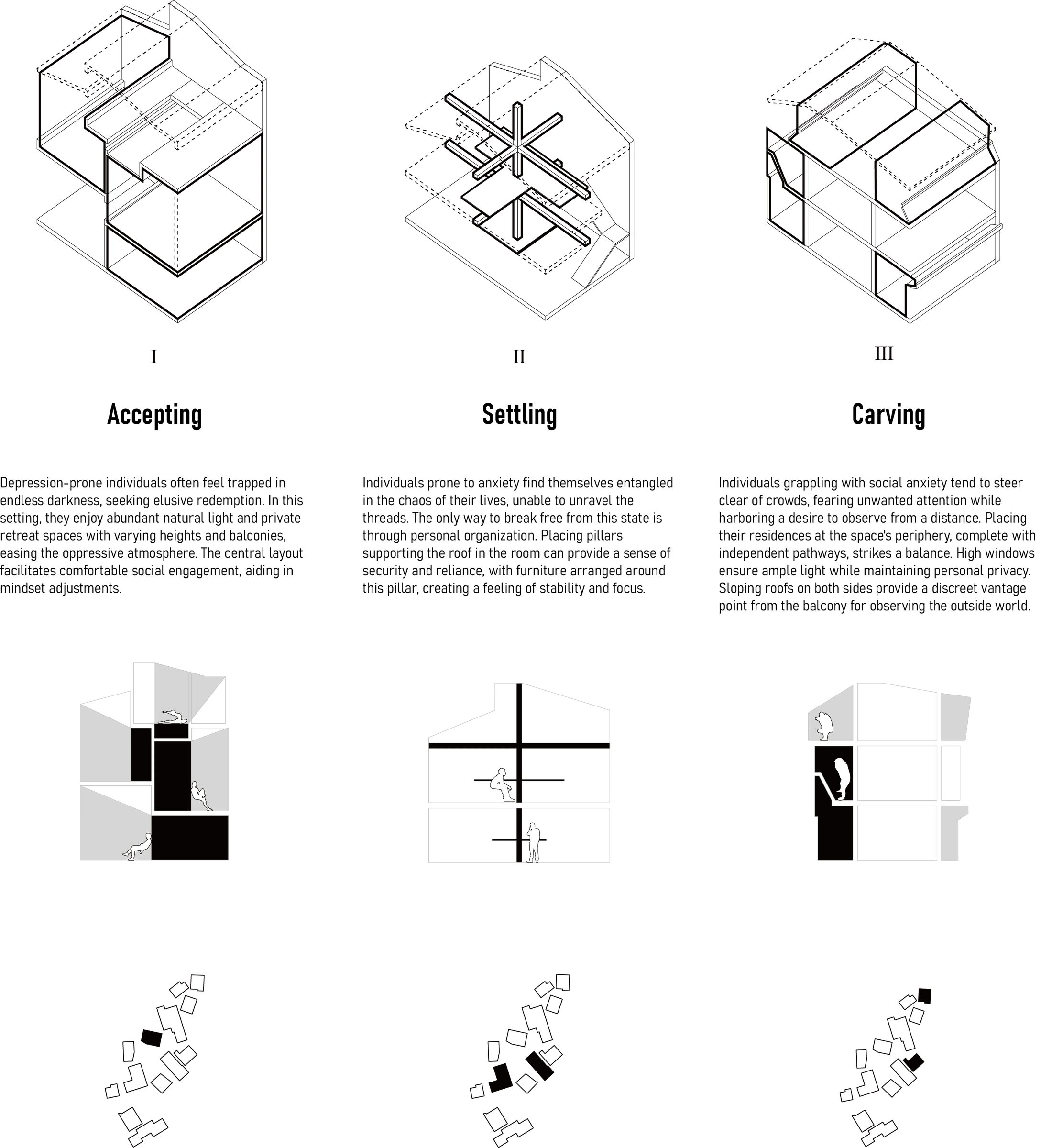
HOUSE OF LIGHT
In shadows deep, a soul in strife,
Finds solace in the rays of life.
Bright and warm, the healing light,
Restores the heart, dispels the night.
From darkness sprung, a renewed flight.
HOUSE OF STILLNESS
In anxious waves, a restless sea,
Finds calm shores, serenity.
Safe embrace, worries depart,
Clearing chaos, a tranquil heart.
In the haven, clarity starts.
HOUSE OF THRESHOLDS
In shadows deep, fear holds tight,
A hidden haven shelters night.
Safe walls keep the world unseen,
Quiet rooms grow calm, serene.
From refuge, courage enters light.
RESIDENTIAL PROTOTYPES
SOCIAL ANXIETY
/ DAILY LIFE
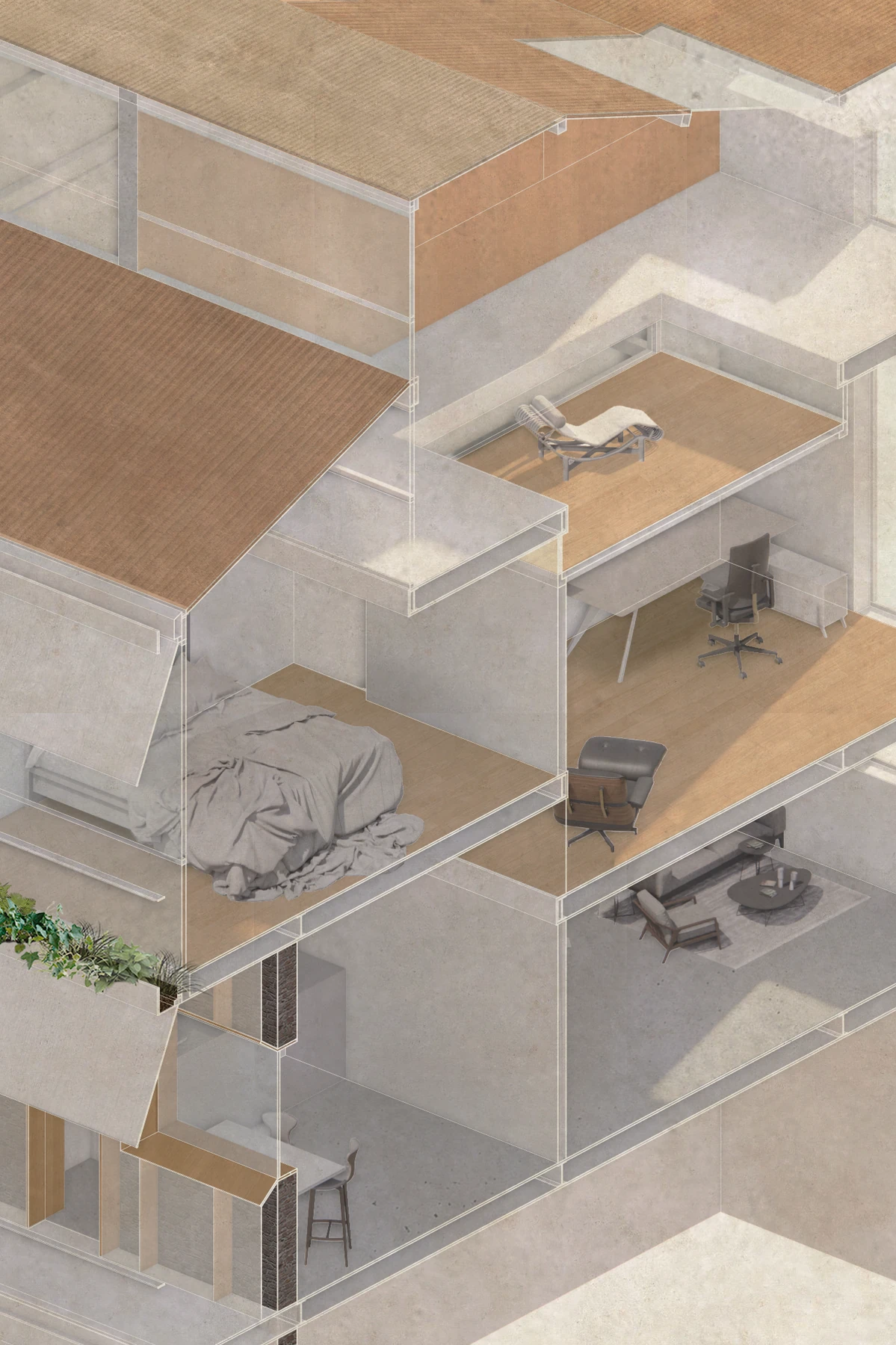
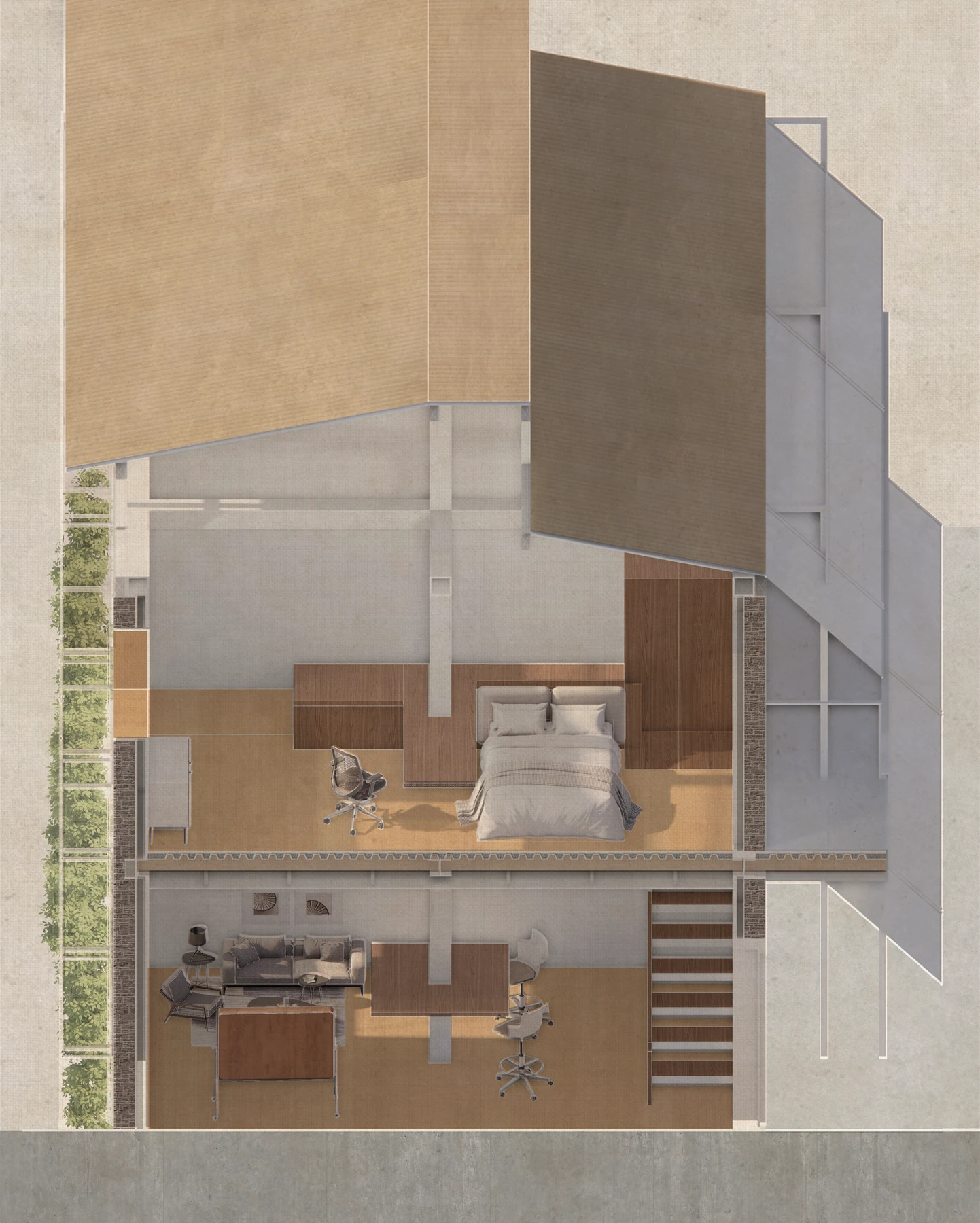
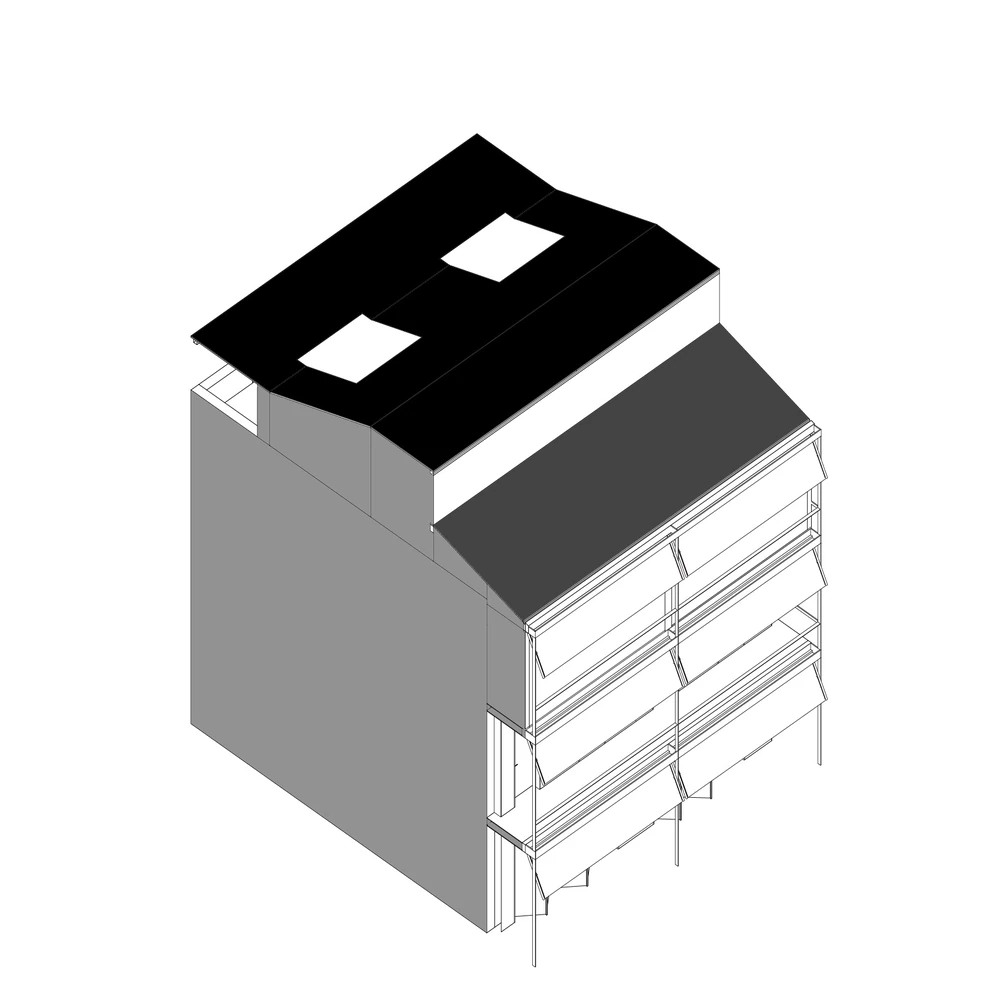
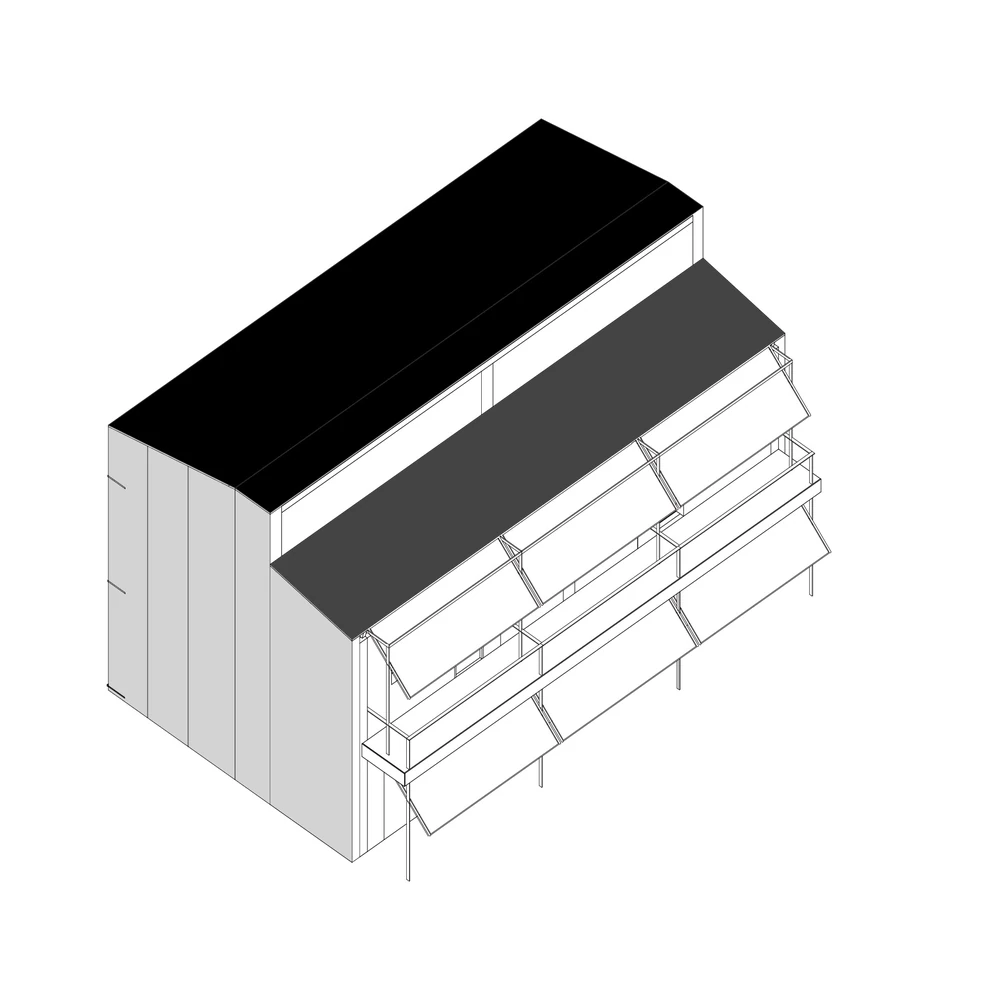
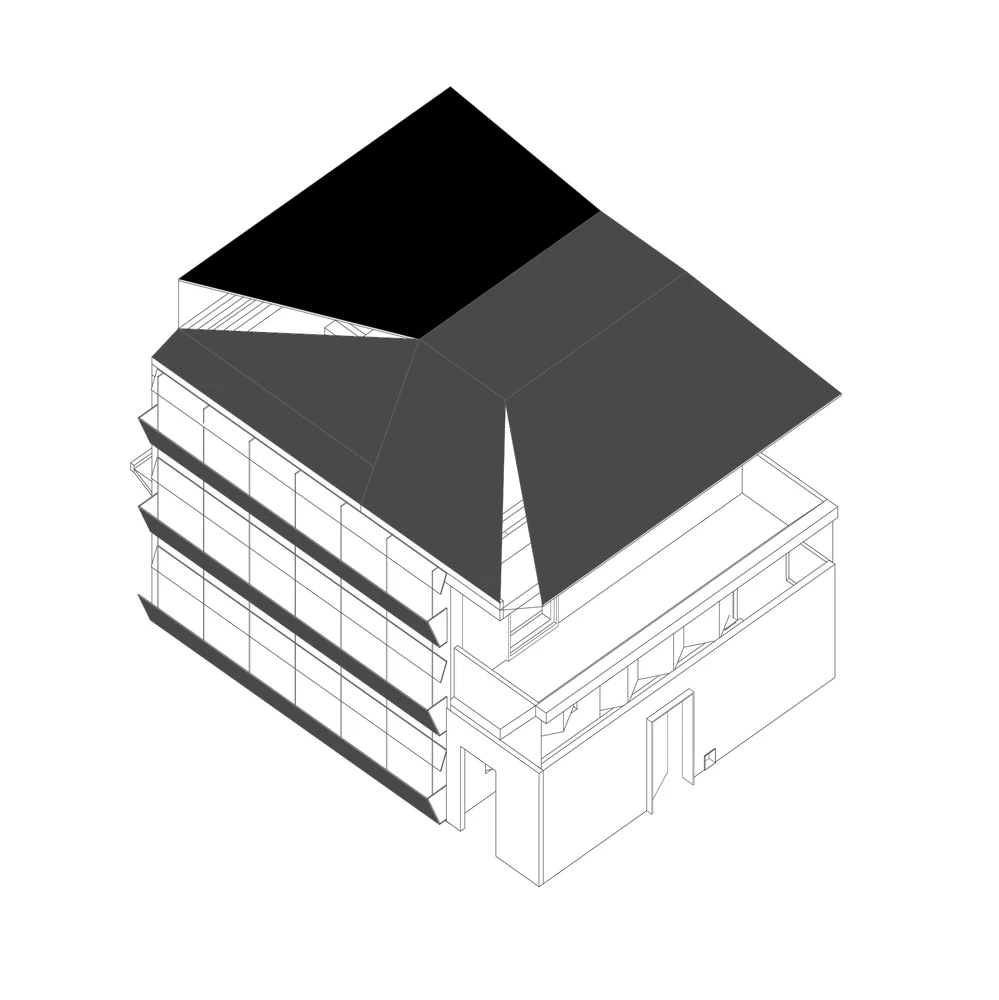
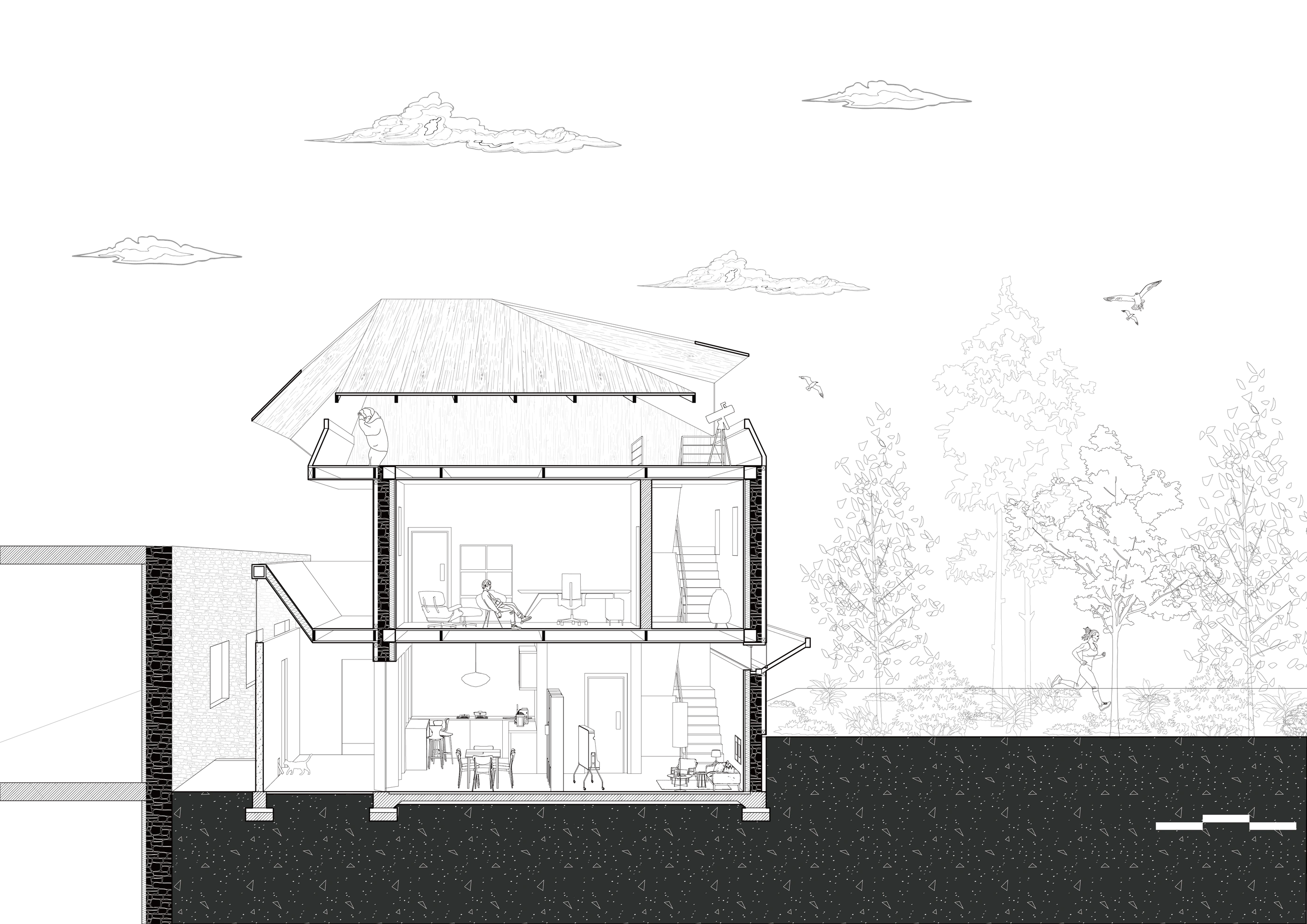
Independent circulation and sheltered thresholds give residents greater control over social encounters. Low horizontal windows allow them to observe their surroundings without feeling exposed. Movement from private rooms toward terraces and shared spaces enables social participation to develop gradually and voluntarily.
DEPRESSION
/ DAILY LIFE
These residences occupy the brighter upper areas of the village. Sunlight, open views, gardens, and visible communal activity help establish a clearer daily rhythm. Private rooms provide rest, while nearby shared spaces create gentle opportunities to reconnect with collective life.
PROJECT ARCHIVE
Drawings
Select a drawing to view the full-resolution file.